

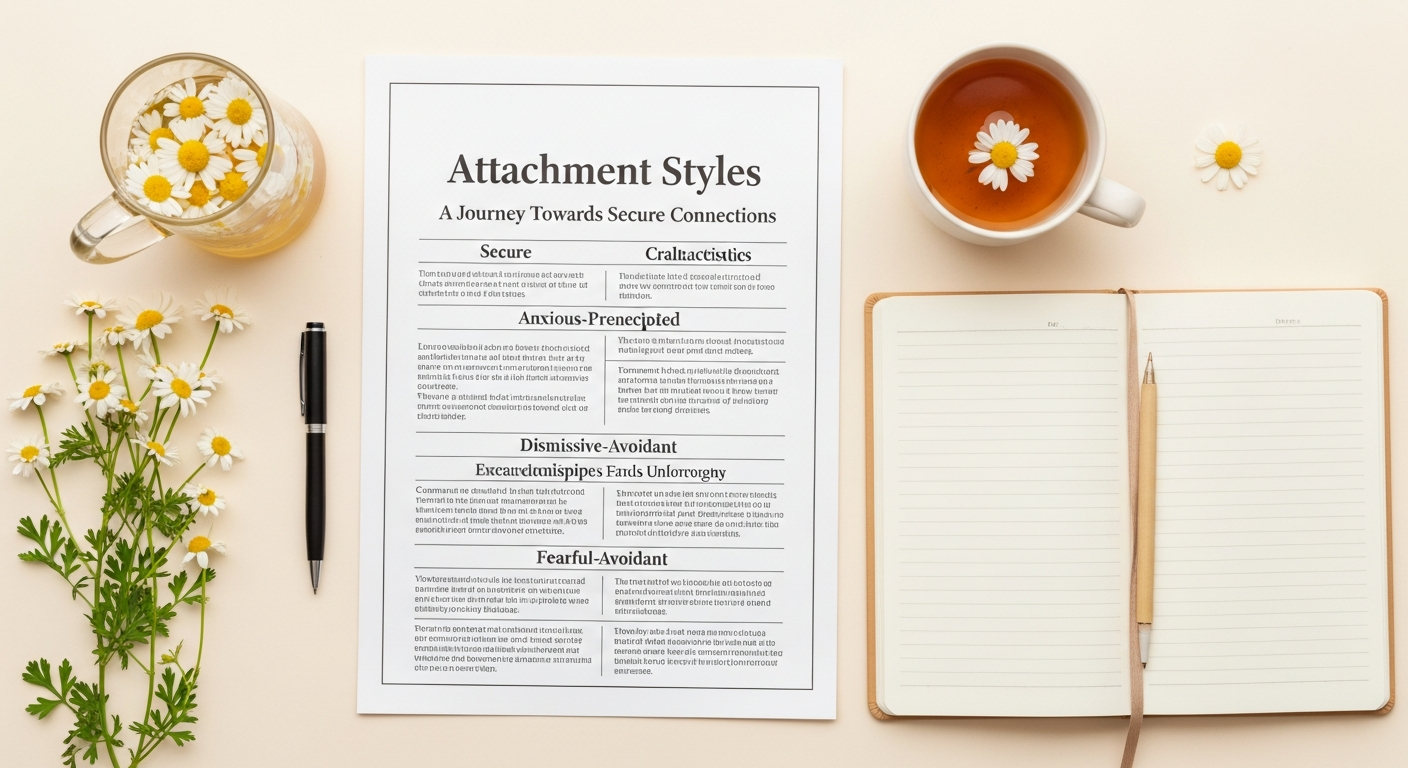
Unlocking Your Relationship Blueprint: A Deep Dive into Attachment Styles
Here at The Contextual Life, we believe in real talk, profound understanding, and deeply practical tools to navigate the complexities of being human. Today, we’re diving headfirst into attachment theory – not as a label to box you in, but as a powerful lens through which to view your past, understand your present, and consciously craft a future brimming with healthier, more fulfilling relationships. Think of me as your wise friend, holding your hand as we explore these often-unseen forces, offering insights, compassion, and actionable steps to empower you every step of the way.
What Even Is Attachment Theory, Anyway?
Let’s start at the beginning. Attachment theory isn’t some new-age fad; it’s a rigorously researched psychological framework with roots tracing back to the mid-20th century, pioneered by British psychologist John Bowlby and later expanded by Mary Ainsworth. At its core, it proposes that the way we bond with our primary caregivers in infancy and childhood profoundly shapes our “internal working models” – our unconscious beliefs about ourselves, others, and the nature of relationships.
Imagine a baby crying. Does a comforting parent consistently arrive, offering solace and safety? Or is the response unpredictable, sometimes warm, sometimes distant, or even overwhelming? These early experiences teach us whether the world is a safe place to express needs, whether others can be relied upon, and whether we are worthy of love and care. These lessons don’t just disappear; they become the default operating system for how we approach intimacy, vulnerability, and conflict in our adult romantic relationships, friendships, and even our professional lives.
Understanding attachment theory isn’t about blaming your parents (though acknowledging past experiences can be incredibly healing). It’s about recognizing the profound impact of those early blueprints and, crucially, realizing that you have the power to revise and rewrite them. This isn’t about finding a “flaw” in yourself; it’s about gaining the self-awareness to understand your relational patterns and choose to respond differently, to heal, and to grow. It’s about taking your power back and intentionally shaping your relationship future.
Meet Your Relationship Personalities: The Four Attachment Styles
While attachment is a spectrum, psychologists typically categorize adult attachment into four main styles. As you read through these, you might find yourself nodding vigorously at one, or even seeing shades of a few. Remember, these are guides, not rigid definitions. The goal is recognition, not judgment.
1. Secure Attachment: The Gold Standard (and Attainable!)
-
The Core: Comfort with intimacy and independence.
-
How it Looks: Secure individuals tend to be warm, loving, and comfortable with both closeness and autonomy. They trust easily, communicate their needs effectively, and can handle conflict constructively. They don’t fear rejection when expressing vulnerability and don’t feel threatened by their partner’s need for space. They have high self-esteem and offer consistent support to their partners.
-
The Inner World: “I am worthy of love, and others are generally reliable and available.” They have a balanced view of themselves and others, feeling confident in their value and capacity for healthy connection.
-
In Relationships: They seek balanced, interdependent partnerships. They are resilient, recover well from disagreements, and generally experience satisfying, long-lasting relationships.
2. Anxious-Preoccupied Attachment: The Lover Who Needs Reassurance
-
The Core: A deep-seated fear of abandonment, often leading to a preoccupation with relationships.
-
How it Looks: Anxious individuals crave intimacy and closeness but often worry about their partner’s love or commitment. They can be overly sensitive to perceived slights, demand a lot of reassurance, and may engage in “protest behaviors” (e.g., calling/texting excessively, withdrawing to get attention, creating drama) when they feel their partner is pulling away. They might struggle with boundaries, often prioritizing their partner’s needs over their own.
-
The Inner World: “I need constant reassurance that I am loved and won’t be abandoned. I worry I’m not enough.” They often have a negative view of themselves and a positive (often idealized) view of others, leading to a desperate need for external validation.
-
In Relationships: They can become enmeshed, clingy, or “chase” partners who seem unavailable. They experience a lot of anxiety and emotional highs and lows in their relationships.
3. Dismissive-Avoidant Attachment: The Lone Wolf
-
The Core: A strong drive for independence and self-sufficiency, often at the expense of emotional intimacy.
-
How it Looks: Avoidant individuals tend to be uncomfortable with closeness and vulnerability. They often suppress their emotions, value independence above all else, and may pull away when relationships get too intense. They might struggle to express feelings, offer comfort, or be truly present emotionally. They use “deactivating strategies” (e.g., focusing on flaws, fantasizing about exes, keeping secrets, creating distance) to maintain emotional space.
-
The Inner World: “I don’t need anyone; I can rely only on myself. Others are often needy or demanding.” They often have a positive view of themselves and a negative view of others, believing vulnerability leads to disappointment or loss of autonomy.
-
In Relationships: They may send mixed signals, appearing interested initially but then withdrawing. They struggle with commitment and can come across as emotionally distant or unavailable.
4. Fearful-Avoidant (Disorganized) Attachment: The Hot-and-Cold Paradox
-
The Core: A profound internal conflict between the desire for intimacy and an intense fear of it, often stemming from inconsistent or frightening early experiences.
-
How it Looks: Disorganized individuals exhibit a confusing mix of anxious and avoidant behaviors. They desperately want closeness but are terrified of getting hurt, leading to erratic and unpredictable patterns. One moment they might seek intimacy, the next they push it away. They often struggle with trust, emotional regulation, and may have experienced trauma in their past.
-
The Inner World: “I want to be close, but I’m afraid you’ll hurt me. I can’t trust you, but I can’t live without you.” They have a negative view of both themselves and others, leading to a chaotic internal landscape.
-
In Relationships: They can create highly dramatic and unstable dynamics, often caught in a push-pull cycle. They might struggle with intense emotional swings and a deep sense of internal confusion about relationships.
Take a moment to reflect. Which descriptions resonated most deeply? No judgment, only curiosity. This self-awareness is your first step toward transformation.
How Your Attachment Style Plays Out in Real Life Relationships
Understanding the categories is one thing; seeing how they manifest in the messy, beautiful reality of relationships is another. Let’s explore some common scenarios:
Dating and Initial Attraction:
-
Secure: Approaches dating with optimism and realistic expectations. They’re open to connection but don’t rush or obsess. They communicate clearly and can disengage gracefully if it’s not a fit.
-
Anxious: May quickly become attached, overanalyze texts, and worry about perceived disinterest. They might “test” partners or try to speed up commitment, fearing rejection or being strung along.
-
Dismissive-Avoidant: Might initially seem charming and engaging but quickly become uncomfortable if things get too serious or emotionally intense. They might ghost, pull back after intimacy, or find reasons why the person “isn’t quite right” to maintain distance.
-
Fearful-Avoidant: Can be highly magnetic and alluring, drawing people in, but then push them away abruptly when vulnerability feels too scary. Their dating life can be a series of intense beginnings and confusing endings.
Conflict and Disagreement:
-
Secure: Views conflict as an opportunity for deeper understanding. They express their feelings respectfully, listen to their partner’s perspective, and seek resolutions rather than “winning.” They can apologize and forgive.
-
Anxious: Can become overwhelmed by conflict, interpreting it as a threat to the relationship. They might catastrophize, become highly emotional, or demand immediate resolution and reassurance, sometimes even apologizing excessively to “fix” things.
-
Dismissive-Avoidant: Tends to shut down or withdraw during conflict, seeing it as an invasion of their peace or a sign of “neediness.” They might become defensive, intellectualize their feelings, or refuse to engage, leaving their partner feeling unheard and alone.
-
Fearful-Avoidant: May react with explosive anger or sudden withdrawal. They can be unpredictable, switching between intense accusations and emotional shutdown, often leaving both partners feeling bewildered and hurt.
Intimacy and Vulnerability:
-
Secure: Comfortable with both emotional and physical intimacy. They can share their deepest fears and desires, offer comfort, and receive it gracefully. They see vulnerability as a strength that builds connection.
-
Anxious: Craves intimacy but often struggles with true vulnerability, fearing that revealing their “true” self will lead to rejection. They might overshare to get closer or use sex as a way to gain reassurance, rather than genuine connection.
-
Dismissive-Avoidant: Often struggles deeply with emotional intimacy, finding it uncomfortable or even threatening. They might keep conversations superficial, avoid deep eye contact, or use physical intimacy without much emotional connection. They may feel “suffocated” by too much closeness.
-
Fearful-Avoidant: Experiences a push-pull with intimacy. They desire deep connection but are simultaneously terrified of it. They might initiate intimacy then sabotage it, or struggle to maintain consistent emotional closeness, leading to confusing and painful cycles.
The most common and often painful dynamic is the “anxious-avoidant trap.” Here, the anxious partner chases closeness, which triggers the avoidant partner to pull away, which intensifies the anxious partner’s fear, leading to more chasing, and so on. It’s a painful dance where both feel misunderstood and unheard, each confirming their internal working models: “I’m not lovable enough” (anxious) and “Others are too demanding” (avoidant).
Navigating the Tides: Strategies for Different Attachment Dynamics
The good news? Awareness is the first step, and change is absolutely possible. Here’s how you can begin to navigate your relationships more effectively, no matter your (or your partner’s) style.
If You Tend Towards Anxious Attachment:
-
Self-Soothe: Learn to manage your anxiety independently. Practice mindfulness, deep breathing, journaling, or engage in hobbies that ground you. Your partner is a complement, not your sole source of regulation.
-
Communicate Needs, Not Demands: Instead of “Why aren’t you texting me back?”, try “I’m feeling a bit anxious because I haven’t heard from you. A quick check-in would help me feel more settled.” Focus on “I” statements.
-
Set Healthy Boundaries: Learn to say no, prioritize your own needs, and understand that your worth isn’t tied to constant reassurance. Give your partner space without internalizing it as rejection.
-
Choose Secure Partners: Actively seek partners who are consistently available, emotionally responsive, and clear in their communication. A secure partner can be a “corrective emotional experience” that helps you heal.
If You Tend Towards Dismissive-Avoidant Attachment:
-
Practice Vulnerability in Small Doses: Share a feeling, ask for help with something small, or lean into a moment of intimacy a little longer than comfortable. Acknowledge that discomfort doesn’t mean danger.
-
Identify Your Deactivating Strategies: Become aware of when you pull away, shut down, or find flaws. Ask yourself: “What am I avoiding right now? What am I afraid of?”
-
Acknowledge Your Partner’s Needs: Even if you don’t fully understand their need for closeness, try to validate it. “I hear that you need more connection right now. I’m working on being more present.”
-
Learn to Express Affection: Even if words feel difficult, small gestures of care (a touch, a thoughtful action, a brief check-in) can make a huge difference in making your partner feel seen and loved.
If You Tend Towards Fearful-Avoidant Attachment:
-
Seek Professional Support: Given the complex nature of this style, often linked to trauma, therapy (especially trauma-informed therapy) can be incredibly beneficial. A therapist can provide a secure base and help you integrate conflicting feelings.
-
Understand Your Triggers: What specific situations or behaviors from a partner cause you to swing between needing closeness and pushing away? Journaling can be powerful here.
-
Communicate Your Internal Conflict: If safe to do so, try to articulate to a trusted partner, “Part of me wants to be really close right now, and another part is terrified and wants to run. Please be patient with me as I try to work through this.”
-
Build Trust Gradually: Start with small, consistent acts of trust, both in yourself and in your partner. Celebrate small victories in vulnerability.
If You Are Secure (and Partnering with an Insecure Style):
-
Maintain Your Boundaries: While empathy is crucial, don’t allow yourself to be pulled into unhealthy dynamics. You can offer support without enabling unhealthy behaviors.
-
Be a Consistent, Secure Base: Your consistency and reliability can be incredibly healing for an insecure partner. Show up, communicate clearly, and follow through on your commitments.
-
Encourage Self-Sufficiency: Support your partner’s journey towards healing their own attachment wounds. Encourage them to develop their own coping mechanisms and support systems, rather than solely relying on you.
-
Communicate About Attachment: Openly discuss attachment theory with your partner. Frame it as a tool for understanding each other better, not a weapon or a diagnosis.
No matter your style, remember that empathy, patience, and clear communication are your superpowers. We are all doing our best with the blueprints we were given, and with conscious effort, we can all evolve.
From Insecure to Integrated: Cultivating a More Secure You
The most empowering truth about attachment theory is that you are not fixed. Your attachment style can shift and evolve over time, especially with intentional effort and healing experiences. This process is often called “earning security.” Here’s how to start cultivating a more secure you:
-
Self-Awareness is Your Superpower: Continue observing your patterns. When do you feel anxious? When do you pull away? What triggers these reactions? Journaling, meditation, and self-reflection are invaluable tools here. The more you know yourself, the more you can choose different responses.
-
“Reparent” Yourself: This isn’t about blaming your parents, but about acknowledging unmet childhood needs and learning to meet them for yourself now. Can you offer yourself the comfort, validation, and consistent care you might have lacked? This might look like setting loving boundaries, nurturing your inner child, or developing self-compassion practices.
-
Seek Corrective Emotional Experiences: Healthy relationships – whether with a secure romantic partner, a trusted friend, or a skilled therapist – can provide a “corrective emotional experience.” This means experiencing a relationship where your needs are consistently met, your fears are understood, and you learn that intimacy can be safe. Therapy, in particular, offers a unique opportunity to experience a secure, consistent, and non-judgmental relationship that can help heal old wounds.
-
Practice Secure Behaviors: Even if you don’t feel secure, start acting as if you are. This means communicating your needs clearly and calmly, offering reassurance to your partner when appropriate, respecting boundaries, and leaning into vulnerability (even when it’s uncomfortable). Fake it ’til you make it, until these behaviors become more natural.
-
Develop Emotional Regulation Skills: For anxious individuals, this means learning to soothe your own nervous system. For avoidants, it means learning to tolerate uncomfortable emotions and stay present. Techniques like mindfulness, breathwork, and somatic practices can be incredibly helpful in connecting with and managing your emotional landscape.
-
Choose Wisely: Be intentional about the people you allow into your inner circle. Gravitate towards individuals who exhibit secure traits – those who are consistently available, respectful, and emotionally mature. They will naturally support your growth towards security.
Your Journey Towards Becoming Your Own Secure Base
Ultimately, this journey is about becoming your own secure base. It’s about building an internal sense of safety, worth, and self-reliance that isn’t dependent on another person’s validation or presence. When you can provide yourself with that consistent, loving foundation, you approach relationships from a place of wholeness, not neediness.
This path isn’t always easy. There will be moments of discomfort, old patterns might resurface, and growth often feels messy. But remember, every step you take towards understanding and healing your attachment patterns is a profound act of self-love. It’s an investment not just in your romantic life, but in every relationship you have, including the most important one: the one with yourself.
You have the power to break cycles, to rewrite your story, and to build relationships that truly nourish your soul. Embrace this journey with compassion, curiosity, and courage. The contextual life you’re creating is one of deeper connection, authentic love, and profound personal freedom.