
Design Your Contextual Life Plan: Empowering Women with Life Planning Strategies for Personal Growth and Fulfillment
Creating a contextual life plan is a transformative journey that empowers women to align their personal growth with their unique life circumstances. This article will guide you through the essential components of designing a contextual life plan, emphasizing the importance of self-awareness, goal setting, and relationship building. By understanding how to create a personal growth roadmap, you can navigate life’s challenges with confidence and clarity. Many women struggle with feeling overwhelmed by their responsibilities and aspirations, but a well-structured life plan can provide direction and purpose. We will explore the significance of contextual awareness, effective self-care routines, and the optimization of your home environment to support your journey toward fulfillment.
What Is a Contextual Life Plan and Why Is It Essential for Women?
A contextual life plan is a personalized framework that helps individuals navigate their life journey by considering their unique circumstances, values, and aspirations. This approach is essential for women, as it acknowledges the diverse roles they play in society and the challenges they face. By integrating contextual awareness into life planning, women can create a roadmap that aligns with their personal and professional goals, ultimately leading to greater fulfillment.
Defining Life Planning and Contextual Awareness for Personal Fulfillment
Life planning involves setting clear, actionable goals that reflect one’s values and aspirations. Contextual awareness refers to understanding the external factors that influence these goals, such as family, career, and societal expectations. Together, these concepts empower women to make informed decisions that enhance their personal fulfillment. By recognizing the interplay between their internal desires and external realities, women can craft a life plan that is both realistic and aspirational.
How to Create a Personal Growth Roadmap Aligned with Your Life Context?
Creating a personal growth roadmap requires a thoughtful approach that considers your current life context and future aspirations. This process involves setting meaningful goals, incorporating mindful living practices, and remaining flexible to adapt to life’s changes.
Setting Meaningful Goals Using Life Planning Strategies

To set meaningful goals, consider using the SMART framework, which emphasizes Specific, Measurable, Achievable, Relevant, and Time-bound objectives. This method ensures that your goals are clear and attainable, providing a solid foundation for your personal growth journey. For example, instead of setting a vague goal like “get fit,” a SMART goal would be “exercise for 30 minutes, five times a week for the next three months.” This clarity helps maintain motivation and focus.
Incorporating Mindful Living and Emotional Wellness Practices
Mindful living involves being present and fully engaged in the moment, which can significantly enhance emotional wellness. Techniques such as meditation, journaling, and deep breathing exercises can help cultivate mindfulness. These practices not only reduce stress but also foster a deeper connection to your goals and values. By prioritizing emotional wellness, you create a supportive environment for personal growth.
What Are Effective Self-Care Routines to Support Your Contextual Life Plan?
Self-care is a crucial component of any contextual life plan, as it ensures that you maintain your physical, emotional, and mental well-being. Establishing effective self-care routines can help you stay focused and energized as you pursue your goals.
Building Sustainable Daily Self-Care Habits for Wellness
To build sustainable self-care habits, start by identifying activities that nourish your body and mind. This could include regular exercise, healthy eating, and sufficient sleep. Additionally, consider incorporating relaxation techniques such as yoga or mindfulness meditation into your daily routine. Consistency is key; aim to engage in these practices regularly to create lasting benefits.
How Self-Care Routines Improve Emotional Wellness and Confidence
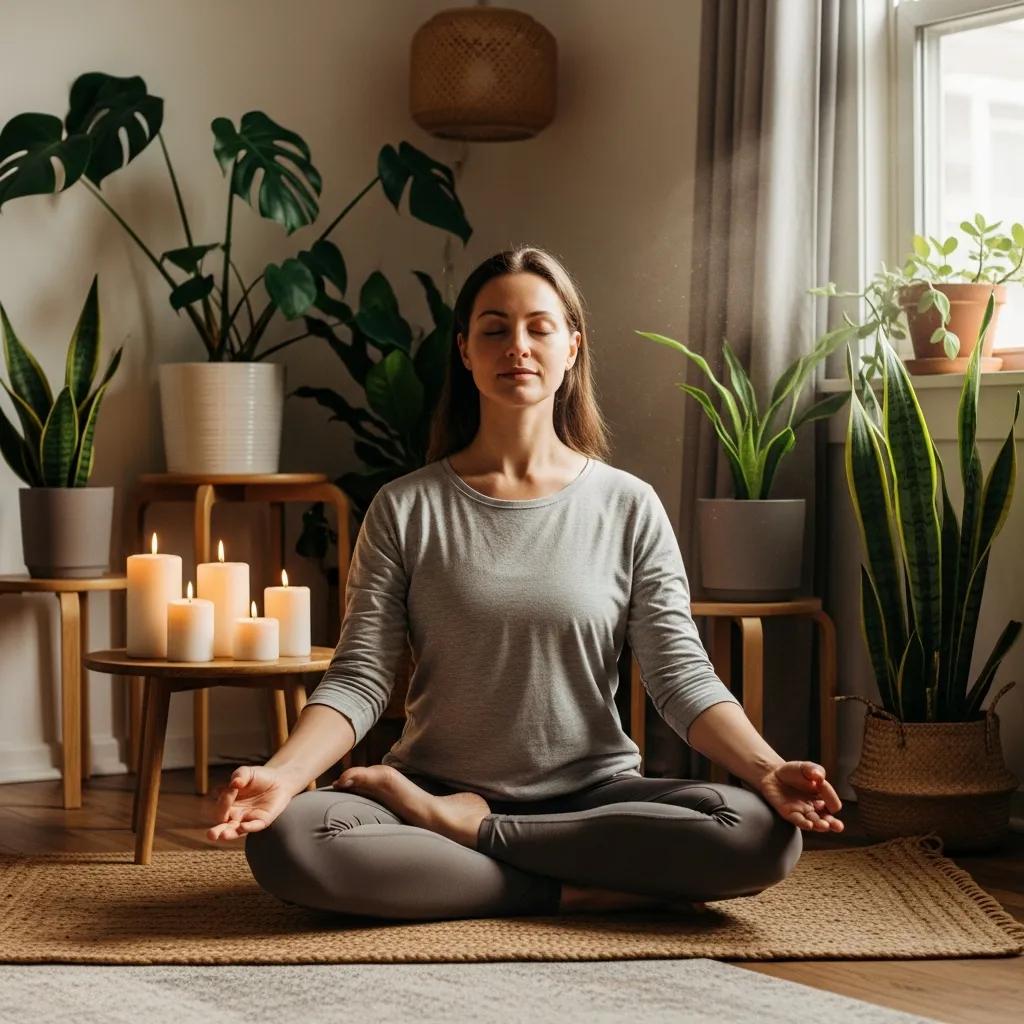
Research shows that self-care routines can significantly improve emotional wellness and boost confidence. By prioritizing your needs, you cultivate a sense of self-worth and resilience. For instance, dedicating time to hobbies or social connections can enhance your mood and provide a sense of belonging. As you nurture your emotional health, you become better equipped to tackle challenges and pursue your goals with confidence.
How Can Relationship Building Enhance Your Contextual Life Plan?
Building supportive relationships is vital for personal growth and fulfillment. Strong connections with family, friends, and mentors can provide encouragement, guidance, and accountability as you navigate your life plan.
Strategies for Building Supportive and Empowering Relationships
To foster empowering relationships, focus on effective communication and active listening. Engage in open conversations with those around you, expressing your needs and aspirations. Additionally, seek out individuals who inspire and uplift you, creating a network of support that encourages your growth. Remember, surrounding yourself with positive influences can significantly impact your journey.
Balancing Personal Growth and Interpersonal Connections
While personal growth is essential, it is equally important to maintain balance with your interpersonal connections. This balance can be achieved by setting boundaries and prioritizing quality time with loved ones. By nurturing both your personal aspirations and your relationships, you create a harmonious environment that supports your overall well-being.
How to Optimize Your Home Environment and Time Management for Life Success?
Your home environment and time management strategies play a crucial role in your ability to achieve your life goals. By optimizing these areas, you can create a supportive atmosphere that fosters productivity and well-being.
Creating a Home Environment That Supports Your Life Plan
A supportive home environment is one that reflects your values and aspirations. Consider decluttering your space and organizing it in a way that promotes focus and relaxation. Incorporate elements that inspire you, such as artwork or plants, to create a positive atmosphere. A well-designed environment can enhance your motivation and creativity, making it easier to pursue your goals.
Time Management Techniques Tailored for Women’s Empowerment
Effective time management is essential for balancing the various demands of life. Techniques such as prioritizing tasks, setting deadlines, and using tools like planners or digital calendars can help you stay organized. Additionally, consider implementing the Pomodoro Technique, which involves working in focused bursts followed by short breaks. This method can enhance productivity while preventing burnout, allowing you to make the most of your time.